

Process Design Requirements for Industrial Silos
Apr Tue, 2026
A well-designed silo is not only about storage capacity but also about ensuring material flow efficiency, structural safety, and long-term durability. Understanding the key process design requirements helps businesses optimize operations, reduce losses, and improve overall project performance.
1. Material Characteristics Analysis
Before designing a silo system, it is essential to analyze the physical properties of stored materials, including: Bulk density, Moisture content, Flowability, Particle size distribution
Different materials such as grain, cement, or flour require specific handling solutions. For example, poor-flow materials may need flow aids or steeper hopper angles.
2. Silo Capacity and Throughput Design
The silo capacity should be determined based on:
Daily consumption or production rate
Storage cycle requirements
Peak demand fluctuations
Engineers must also consider inlet and discharge rates to ensure smooth operation without bottlenecks.
3. Structural Design and Load Considerations
A reliable silo structure must withstand multiple load conditions:
Static load (stored material weight)
Wind load
Seismic load
Thermal expansion
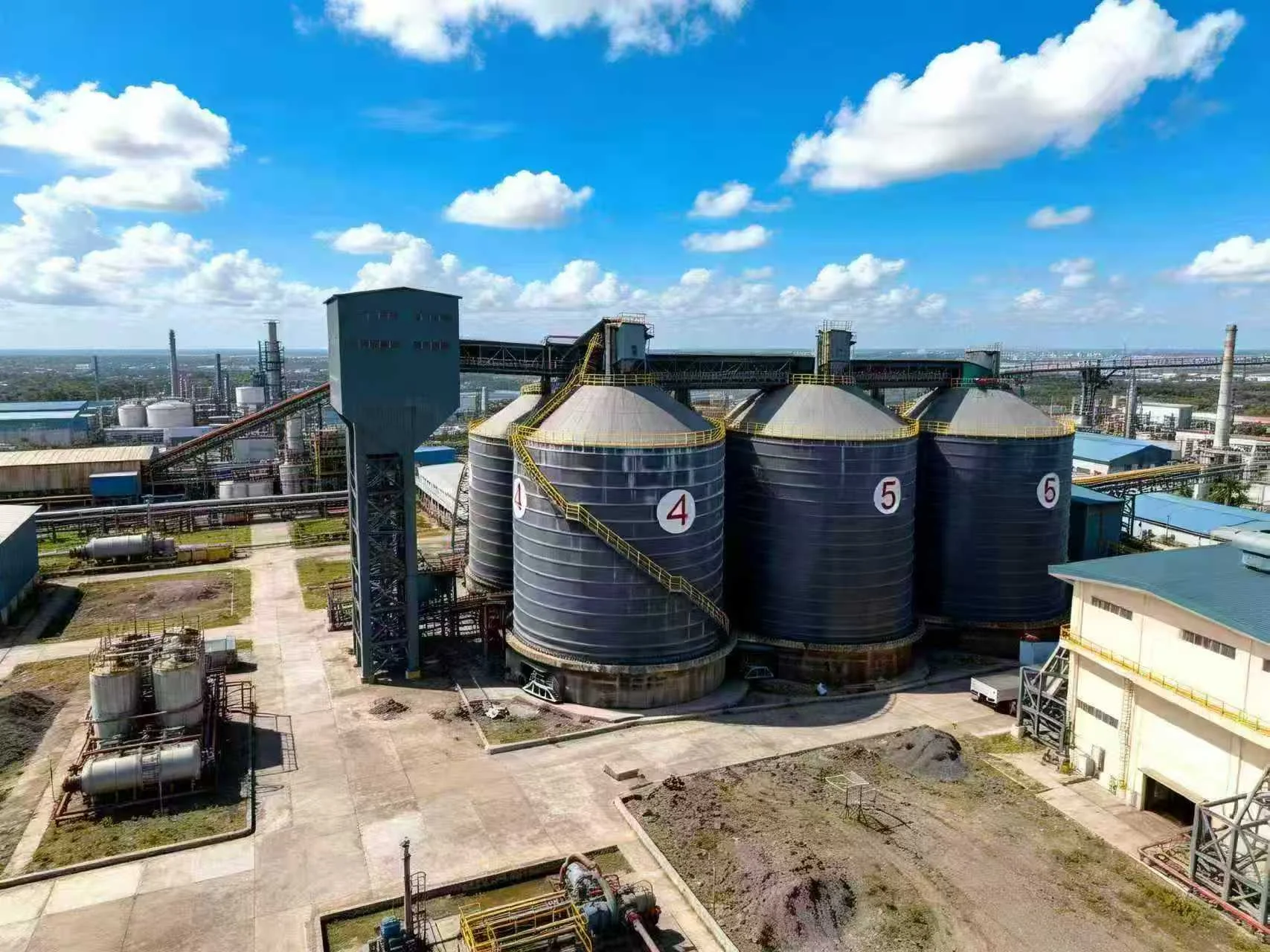
Steel silos, especially corrugated bolted silos, are widely used due to their flexibility and cost-effectiveness.
4. Material Flow and Discharge System
Efficient discharge is one of the most critical aspects of silo design. Key considerations include:
Mass flow vs funnel flow design
Hopper angle optimization
Anti-bridging and anti-ratholing solutions
Proper flow design minimizes material residue and prevents blockages.
5. Ventilation and Temperature Control
For grain and food storage, maintaining proper environmental conditions is essential. Design requirements include:
Aeration systems
Temperature monitoring
Moisture control
These systems help prevent spoilage, mold growth, and quality degradation.
6. Safety and Environmental Protection
Industrial silo systems must comply with safety and environmental standards:
Dust control systems
Explosion protection
Fire prevention measures
Proper sealing and filtration systems reduce environmental impact and improve workplace safety.
7. Automation and Control Systems
Modern silo projects increasingly rely on automation for efficiency:
Level sensors
PLC control systems
Remote monitoring
Automation improves accuracy, reduces labor costs, and ensures stable operation.
8. Installation and Maintenance Considerations
A good design also ensures ease of installation and long-term maintenance:
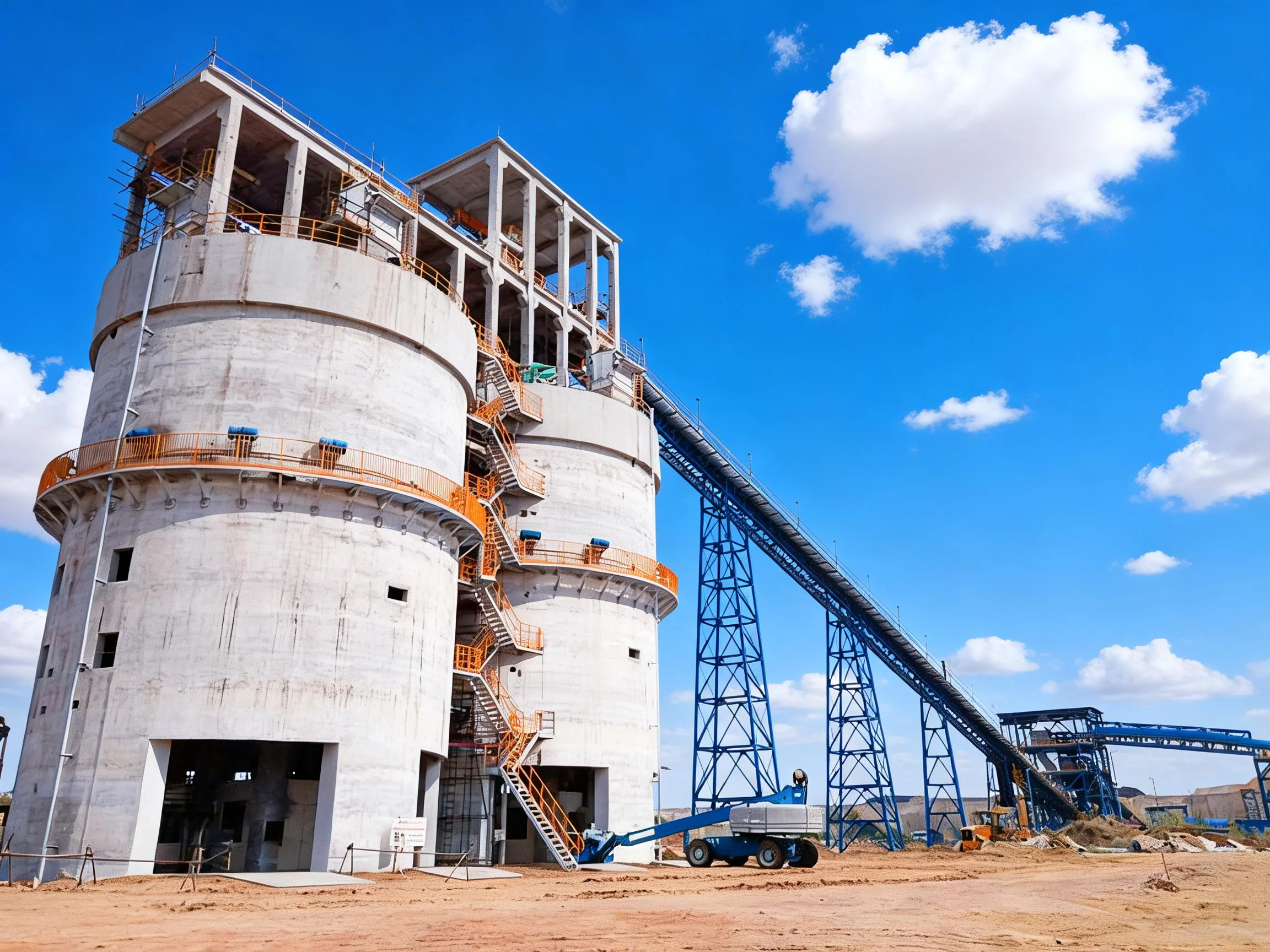
Modular design for quick assembly
Corrosion protection (galvanization)
Easy access for inspection
This is especially important for large-scale or overseas projects.
The process design of industrial silos is a comprehensive engineering task that integrates material science, structural engineering, and automation technology.
Choosing a professional supplier with strong project experience ensures:
Customized design solutions
Reliable equipment performance
Long-term operational efficiency
Looking for a tailored silo solution? Contact our engineering team today for a customized design and quotation.
PDF
Download File
Manxing Industrial Silo Brochure
Manxing_Industrial_Silo_Brochure.pdf
Open the download form to unlock this file. The download will start automatically after submission.


